'%20fill='%23000000'%20stroke='none'%3e%3cpath%20d='M%201784.53%205631.9%20C%201775.53%205618.9%201692.53%205479.9%201598.53%205322.9%20C%201395.53%204983.9%201355.53%204919.9%201342.53%204915.9%20C%201332.53%204912.9%201315.53%204938.9%201090.53%205311.9%20C%201023.53%205423.9%20960.53%205523.9%20951.53%205534.9%20C%20936.53%205549.9%20918.53%205552.9%20816.53%205552.9%20C%20751.53%205552.9%20696.53%205548.9%20692.53%205542.9%20C%20689.53%205537.9%20721.53%205475.9%20763.53%205405.9%20C%20806.53%205335.9%20855.53%205252.9%20872.53%205222.9%20C%20889.53%205192.9%20941.53%205106.9%20987.53%205032.9%20C%201032.53%204958.9%201161.53%204746.9%201272.53%204562.9%20C%201383.53%204378.9%201522.53%204147.9%201581.53%204050.9%20L%201689.53%203872.9%20L%201823.53%203872.9%20C%201897.53%203872.9%201957.53%203874.9%201957.53%203876.9%20C%201957.53%203879.9%201887.53%203997.9%201800.53%204139.9%20C%201513.53%204612.9%201487.53%204657.9%201487.53%204674.9%20C%201487.53%204697.9%201788.53%205192.9%201802.53%205192.9%20C%201807.53%205192.9%201830.53%205162.9%201852.53%205125.9%20C%201874.53%205088.9%201902.53%205042.9%201913.53%205023.9%20C%201925.53%205003.9%201993.53%204890.9%202065.53%204772.9%20C%202395.53%204228.9%202458.53%204121.9%202452.53%204112.9%20C%202448.53%204106.9%202382.53%204102.9%202287.53%204102.9%20C%202200.53%204102.9%202126.53%204098.9%202123.53%204094.9%20C%202120.53%204089.9%202147.53%204038.9%202183.53%203979.9%20L%202249.53%203872.9%20L%202563.53%203872.9%20C%202736.53%203872.9%202877.53%203875.9%202877.53%203878.9%20C%202877.53%203882.9%202812.53%203991.9%202734.53%204121.9%20C%202537.53%204445.9%202057.53%205239.9%201929.53%205452.9%20C%201801.53%205664.9%201804.53%205662.9%201784.53%205631.9%20Z'%20style='fill:%20rgb(215,%2032,%2038);'/%3e%3cpath%20d='M%202191.53%205539.9%20C%202187.53%205527.9%202443.53%205099.9%203052.53%204100.9%20L%203191.53%203872.9%20L%203324.53%203872.9%20C%203397.53%203872.9%203457.53%203874.9%203457.53%203876.9%20C%203457.53%203879.9%203366.53%204031.9%203255.53%204214.9%20C%203144.53%204397.9%202964.53%204696.9%202854.53%204877.9%20C%202744.53%205059.9%202607.53%205285.9%202550.53%205380.9%20L%202445.53%205552.9%20L%202321.53%205552.9%20C%202226.53%205552.9%202195.53%205549.9%202191.53%205539.9%20Z'%20style='fill:%20rgb(215,%2032,%2038);'/%3e%3cpath%20d='M%201029.53%204386.9%20C%201014.53%204360.9%20993.53%204325.9%20982.53%204308.9%20C%20970.53%204291.9%20938.53%204237.9%20909.53%204187.9%20C%20880.53%204138.9%20829.53%204053.9%20797.53%203999.9%20C%20764.53%203944.9%20737.53%203894.9%20737.53%203886.9%20C%20737.53%203874.9%20759.53%203872.9%20864.53%203874.9%20L%20991.53%203877.9%20L%201099.53%204049.9%20L%201207.53%204220.9%20L%201144.53%204326.9%20C%201110.53%204384.9%201076.53%204432.9%201069.53%204432.9%20C%201062.53%204432.9%201044.53%204411.9%201029.53%204386.9%20Z'%20style='fill:%20rgb(215,%2032,%2038);'/%3e%3c/g%3e%3c/svg%3e)
Project Overview
QOVES engaged Scalexa as an independent third-party consultant to audit an NLP-based ingredient classification system. The audit was commissioned to support a legal dispute with a previous development provider, following an unsuccessful six-month outsourced AI engagement. This was a formal technical assessment, not a development project.
Client and Product Context
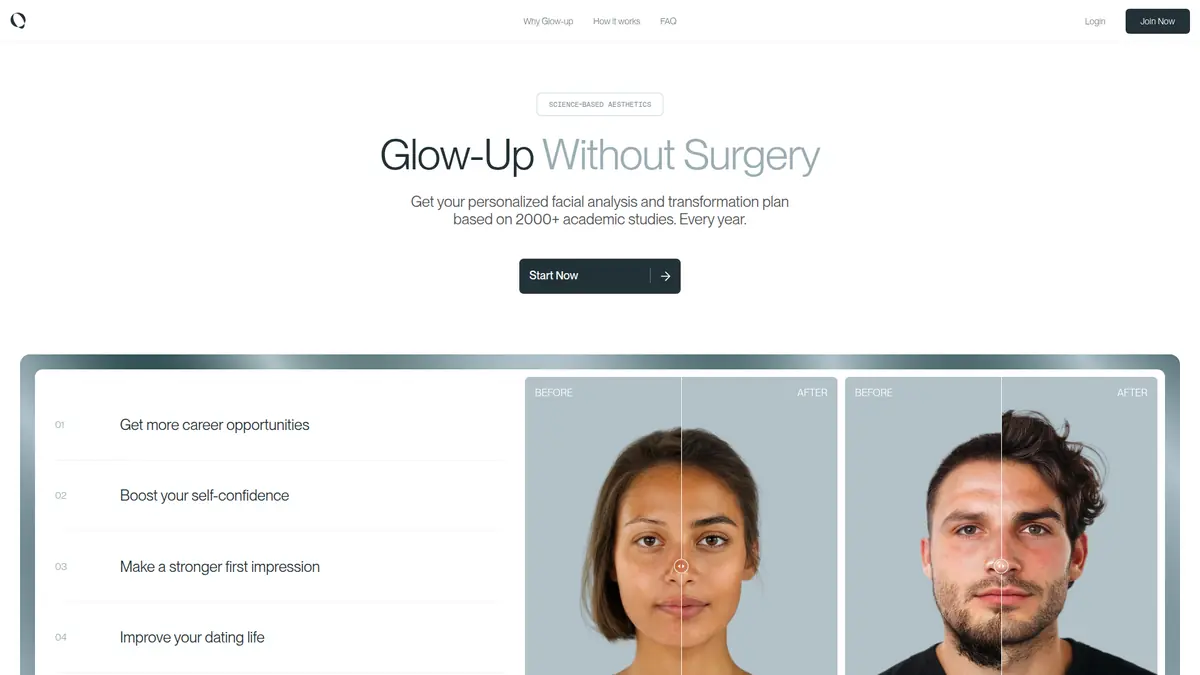
QOVES is an Australian company known for AI-assisted facial aesthetics analysis, beauty and skincare assessment. Alongside its facial analysis work, the company was developing proprietary technology to analyse and classify skincare ingredients using NLP. They had engaged a third-party development team to build an AI/NLP prototype intended for production use. After six months, the delivered system failed to meet expected technical and functional standards.
The Challenge
Scalexa was engaged to assess whether the existing NLP solution was technically sound, fit for purpose, and professionally executed. The audit needed to produce findings that were technically rigorous, evidence-backed, and suitable for use in legal and contractual discussions—all within a constrained timeframe and without rewriting the system.
- Determine whether the data sources were sufficient in size and quality
- Assess whether the models and pipelines were appropriate for the stated objectives
- Evaluate whether the produced outputs could reasonably be expected from the inputs and timeframe
- Produce findings suitable for legal and contractual proceedings
What Scalexa Did
Scalexa conducted a methodical, evidence-based audit of the entire NLP pipeline. The approach focused on traceability and defensibility of findings.
- Reviewed the entire NLP pipeline: source data (raw, processed, filtered), feature extraction, preprocessing, model selection, and training approach
- Matched code paths to observed outputs to assess correctness and traceability
- Evaluated whether the data series was sufficiently large and representative to support the intended classification task
- Assessed alignment between contracted scope, claimed functionality, and actual technical implementation
- Identified shortfalls, inconsistencies, and architectural weaknesses
- Documented findings with verifiable technical evidence
- Delivered results in a formal written report suitable for legal review
- Participated in stakeholder feedback and clarification discussions
Scope of Audit
The audit covered the full technical scope of the NLP system without embellishment or speculation.
- Domain: Natural Language Processing (NLP)
- Use case: Ingredient classification for skincare and beauty products
- Artefacts reviewed: Codebase, datasets, models, outputs, tooling
- Focus areas: Data sufficiency and validity, model appropriateness, output correctness, engineering discipline and reproducibility
Technical Implementation: How the AI Technical Audit Was Run
The AI technical audit followed a five-stage process, each stage producing written evidence that could be traced back to a specific file, dataset, or model artefact. QOVES does use AI: the product relied on an NLP classification pipeline that mapped free-text cosmetic ingredient names to a controlled taxonomy of ingredient functions and safety categories. Our task was to establish whether that pipeline was built to a professional standard.
- Stage 1 — Data forensics: counted labelled examples per class, measured class imbalance, checked for duplicate and leaked rows between train and test splits, and assessed whether the ingredient corpus was large and representative enough to support supervised NLP classification at the accuracy claimed.
- Stage 2 — Preprocessing and feature review: traced tokenisation, normalisation of chemical and INCI ingredient names, stop-word handling, and vectorisation choices, checking each against the stated classification objective.
- Stage 3 — Model appropriateness: reviewed model selection, hyperparameters, and training scripts to judge whether the chosen architecture was a reasonable fit for a multi-class text classification task of this size, and whether simpler, stronger baselines had been evaluated.
- Stage 4 — Output traceability: re-ran code paths against supplied data and matched produced outputs to the code that generated them, isolating results that could not be reproduced from the inputs in the contracted timeframe.
- Stage 5 — Engineering discipline: assessed version control history, environment reproducibility, evaluation methodology, and the absence or presence of a held-out test protocol.
- Evidence handling: every conclusion was tied to a file path, dataset statistic, or reproduced run, with opinion clearly separated from demonstrable fact so the report could withstand legal scrutiny.
What the Audit Report Contained
The deliverable was a single written report structured so that a non-technical reader (legal counsel, founder, investor) could follow the argument, while a technical reader could verify every claim against the underlying artefacts.
- Executive summary: plain-language statement of what was built, what was claimed, and where the two diverged
- Methodology: the artefacts supplied, how they were reviewed, and the limits of what could be assessed from them
- Data findings: labelled example counts, class distribution, duplication and train/test leakage checks
- Model findings: appropriateness of the chosen approach against baselines a competent team would have evaluated first
- Reproducibility findings: which reported outputs could and could not be regenerated from the supplied code and data
- Fact-versus-opinion separation: every conclusion labelled as demonstrable fact, reasonable inference, or professional opinion
Legal and Professional Considerations
Scalexa acted as an independent third party throughout this engagement. Conclusions were evidence-based and documented. The engagement focused on assessment, not remediation. Care was taken to avoid speculative or unverifiable claims. All findings were structured to withstand professional scrutiny.
Common Questions About Independent AI and NLP Audits
Questions we are most often asked by teams considering an independent technical audit of a machine learning or NLP system.
- What is an AI technical audit? An independent review of the data, models, code and outputs behind an AI system, to establish whether it was built to a professional standard and whether its claimed capabilities are supported by evidence.
- When is an audit worth commissioning? Typically before accepting a delivery, when a build has visibly underperformed, during due diligence on an acquisition, or when a contractual or legal dispute depends on technical facts.
- What do you need from us? Read access to the codebase, the datasets used for training and evaluation, model artefacts, and the contract or statement of work describing what was promised.
- Do you fix the system as part of the audit? No. Assessment and remediation are kept separate so the findings stay independent. Remediation can be scoped as a follow-on engagement — see our platform rescue and AI/ML services.
- Can the report be used in a legal dispute? Yes. Findings are written with evidence traceable to a file, dataset statistic or reproduced run, and with opinion clearly separated from fact.
Technologies
Outcomes
- QOVES received a formal, independent technical audit of their NLP system, delivered inside the agreed short timeframe
- Every finding was traceable to a file path, dataset statistic or reproduced run, so nothing rested on assertion alone
- Findings explained why the delivered system underperformed: data sufficiency, model appropriateness and reproducibility gaps
- The report established which claimed outputs could and could not be regenerated from the supplied code and data
- Assessment determined whether the delivered work aligned with professional engineering standards
- The audit was written to be usable in legal and contractual proceedings, with fact separated from opinion
- QOVES regained technical clarity and decision-making confidence on whether to rebuild, remediate or pursue the dispute
Why It Matters
If you require an independent technical audit of an AI or NLP system—whether for validation, risk management, or legal clarity—Scalexa can provide an objective, evidence-based assessment. Our senior team has experience operating at the intersection of engineering, data science, and legal scrutiny, delivering defensible conclusions that stand up to professional review.
Services Behind This Project
The same senior teams that delivered this work:
"Scalexa performed an excellent job in their audit and were quick and well-spoken. Highly worth their price and expertise."